

Understanding grief and road trauma

Road trauma can bring a complex mix of grief and trauma, shaped by sudden loss, shock, and a sense of injustice that can deeply disrupt a person’s life. While these reactions are common and understandable, compassionate support and trauma-informed care can help people feel less alone as they navigate healing over time.
Email
Facebook
Twitter
LinkedIn
Print

Understanding grief and road trauma

Support for people affected by road-related loss and trauma.

Each year, thousands of Australians are impacted by road trauma. Whether through the sudden loss of a loved one, serious injury, or witnessing a crash, the effects can be profound and long-lasting. 

Road trauma is especially distressing because it is often sudden, violent, unpredictable, and preventable. Losses that occur this way can feel shocking, overwhelming, and deeply unfair. This type of grief is unique – it is random, unexpected, and outside anyone’s control – which can make healing more complex. 

How grief may show up after road trauma 

People bereaved by a road incident, or otherwise affected by road trauma, often experience a mix of grief and trauma responses. This includes coming to terms with how the person died, alongside the loss of the relationship and life as it was before the crash. 

Common reactions may include: 

  • Intense sadness, disbelief, or emotional numbness 
  • Anger, guilt, shame, and/or a strong sense of injustice 
  • Flashbacks or intrusive memories of the crash 
  • Sleep difficulties, exhaustion, or feeling constantly “on edge” 
  • Difficulty concentrating, memory problems, or poor attention 
  • Withdrawal from social life or usual activities 
  • Fear or anxiety about being on or near roads 
  • A feeling that “life stopped” on the day of the crash, or a deep sense of loss for how things used to be 

In the aftermath of a road incident, people are often required to manage funerals, legal matters, and insurance claims. This can mean that grief and trauma are pushed aside, only to return later with great intensity. 

For some, ongoing investigations or legal processes delay emotional recovery. Others may feel isolated when friends or family don’t fully understand the depth or complexity of their pain. 

Learn how to support someone after road trauma

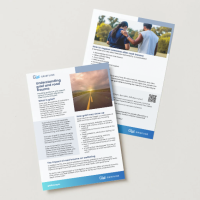
Download a copy of: Understanding grief and road trauma fact sheet.

This resource was developed as a collaboration between Griefline and Amber Community.

Remember: Grief after road trauma isn’t only about loss – it’s also about shock, disruption, unanswered questions, and a world that suddenly feels unsafe. 

Healing takes time. With compassionate support and the right care, people can learn to live alongside their grief while honouring the memory of those they’ve lost. 

If you or someone you know has been affected by road trauma, please know that your reactions are common, understandable, and valid. You do not have to navigate this alone. Support is available.

You can contact Griefline and speak with one of our trained, skilled and compassionate volunteers to speak about your experience or concerns in supporting someone who is grieving. Our helpline is open from 8am to 8pm, 7 days a week (AEST).


Free, confidential counselling for people affected by a road collision — no matter how long ago it occurred. 

Support is available for: 

  • Bereaved families, friends, and colleagues 
  • Injured people and carers 
  • Drivers and passengers 
  • Witnesses, first responders, and those who offered assistance 
  • Emergency service workers 

Sessions are available online, face-to-face, or by telephone. No referral required. 

Phone: 1300 367 797 | 9am-5pm, Monday to Friday

ambercommunity.org.au

Subscribe to our newsletter

Enter your details to stay up to date with our news and programs. You can unsubscribe at any time.

  • This field is for validation purposes and should be left unchanged.